- Democracy in West Africa: Beyond Elections, Toward Accountability
- ECOWAS Integration: Stop the Political Lip Service
- Ghana’s Cedi Crisis: Citizens Deserve Monetary Stability
- Nigeria’s Oil Dependency: Time to Break the Curse
- United States Signals Continued Tight Monetary Policy Amid Inflation Concerns

Advancing Maritime Security through Indigenous Surveillance Technologies

Nigeria and other African nations are increasingly turning to homegrown surveillance technologies to address persistent maritime security challenges, including piracy, illegal fishing, smuggling, and oil theft. Experts say that indigenous solutions can improve monitoring capabilities, strengthen regional cooperation, and stimulate local technological and economic growth.
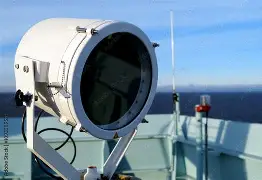 Africa’s maritime domain spans vast shipping lanes, critical offshore energy installations, and fishing zones. In Nigeria, maritime trade accounts for over 90 percent of imports and exports, yet the Gulf of Guinea remains a hotspot for piracy and organized crime. Analysts note that reliance on foreign surveillance equipment has often left governments and port authorities vulnerable to operational gaps.
Indigenous surveillance technologies—ranging from radar systems and drones to satellite tracking platforms integrated with artificial intelligence analytics—offer the ability to monitor activities in real time and coordinate rapid responses. Local development of these systems also provides economic benefits, including job creation in technology manufacturing, maintenance, and data analytics.
Experts highlight several key advantages of indigenous systems. “Local solutions can be tailored to the geography and operational needs of African waters, while also promoting skills development and reducing dependency on imported equipment,” said a defence technology analyst. Regional collaboration is also enhanced when standardized platforms allow multiple countries to share intelligence and coordinate maritime patrols.
 However, challenges remain. The development and deployment of indigenous surveillance technologies require substantial funding, technical expertise, and robust policy frameworks. Integration with existing foreign systems can be complex, while criminal networks continue to evolve, demanding continuous upgrades and personnel training.
To address these challenges, policymakers and industry stakeholders recommend public-private partnerships to co-develop systems, phased deployments in high-risk maritime zones, targeted capacity building, and harmonized policy standards to govern operations, cybersecurity, and inter-agency coordination. Regional cooperation remains essential to address transnational threats and ensure the interoperability of monitoring systems.
Maritime security experts warn that without indigenous solutions, Africa’s waters will remain vulnerable, potentially threatening trade, energy infrastructure, and regional stability. “Maritime security is no longer just a naval responsibility; it is a national development imperative,” said an African policy analyst.
The deployment of locally developed surveillance technologies represents a strategic step forward in securing Africa’s maritime domain. By overcoming funding, technical, and regulatory hurdles, nations can safeguard their waters, protect economic interests, and assert sovereignty over critical maritime resources.